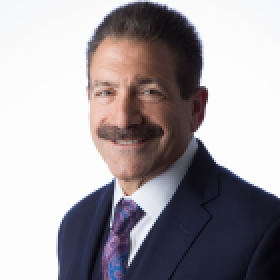
Alan Dunn
President • GDI Consulting & Training Company
•
$5,001 - $10,000
About
Engaging global supply chain expert with over 38 years consulting & executive education experience.
Speaking Topics
Signature Programs (8)
Throw out EPS, operating profit and Return on Assets as manufacturing enterprise performance measures! Replace these outdated metrics with “valuation” metrics. This short but powerful lesson presents an economic model that can be used to better evaluate all strategic and tactical activities in manufacturing and distribution companies. We call it the “Fundamental Economic Model,” or FEM for short. The model encourages participants to contemplate what REALLY creates enterprise valuation enhancement, irrespective of traditional accounting and performance metrics. FEM closely evaluates how cash flows drive enterprise growth and shareholder value. It also looks equally close at how tangible and intangible assets are utilized in support of forward-looking value-enhancing strategies and tactics.
The reliability and security of global supply chains enormously important, especially after recent experiences with COVID-19 caused commodity shortages. This brief but important presentation describes a methodology for characterizing global supplier risks and improving performance through formal and highly structured assessments of critical suppliers and their factories’ performance. Inspired by financial auditing, operational due-diligence and various regulatory auditing processes, the methodologies presented in this program demonstrate 18 proven categories of performance that all critical global suppliers should be evaluated. Further, these 18 performance criteria are also utilized to determine risks derived from these same critical suppliers.
This brief but important program describes THREE “mental models” and ONE prioritization methodology that can be used to “frame” continuous improvement projects in order to improve the probability of successful outcomes. These models and methodologies have been indispensable in the presenters 40+ years of conducting improvement projects across every continent and within every imaginable industrial culture. These models and methodologies, are perhaps the most important (and successful) means of framing a CI project, and conducting one’s leadership role within the project. The presenter will drill-down into these reactions to change and suggest different ways that CI Project Managers might want to communicate to these uniquely different categories of constituents.
Your Experience with Alan
Your perspective matters!
What was it like engaging with Alan?