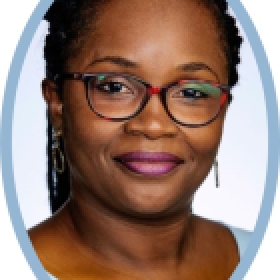
Amy Fiore
Managing Director • Sobel Bixel: Consulting for Nonprofits
Scotch Plains, New Jersey, United States •
$251 - $1,500
About
I love strategically poking the status quo to find simpler and more sensical solutions to work.
Speaking Topics
Signature Programs (8)
As a 501c3 organization, you are only legally required to supply a minimum of 3 directors for your corporation who are over 18 years of age and who approve an annual budget for the organization. Most organizations grow and thrive by requiring more from these individuals and how they support your mission can vary drastically from company to company. In this workshop, we will discuss how to transition your board into a fundraising role by looking at the different types of boards and board members, how to identify individuals who can fit these types, the best ways to recruit them, and successful methods of board management, engagement, and development once they join.
A Board Member has a complicated relationship with an organization because at the same time they are donors, volunteers, worker bees, and the governing body. It’s an odd dichotomy of doing work for you while you ultimately work for them. You expect your Board to invest time and money into your vision so finding ways to work with, mold, and cultivate each of them individually is a central part of a non-profit leader’s job. At their core, they are a group of people who care about and support your organization in myriad ways. This workshop will explore archetypes of Board memberships, the best ways to engage and recruit them, and successful methods of board engagement and development being utilized in nonprofit organizations from various sectors. This workshop is suitable for executive and managing directors, development directors, and their staff members.
o The board knows you need fundraising help, committed to a give/get, and yet they struggle to make an ask? It is time to reframe what you are asking them to do. This workshop will redefine your board’s role in the fundraising process, lessen the intimidation factor, and provide tips and tools to engage them in essential fundraising needs for your organization without ever asking for a dime. In turn, you will enlist their support in the cultivation process and be poised develop an even more substantial pipeline of donors than before. This workshop requires two members from each organization, ideally one from the board, and is suitable for executive and managing directors, board members, and development directors.
Your Experience with Amy
Your perspective matters!
What was it like engaging with Amy?