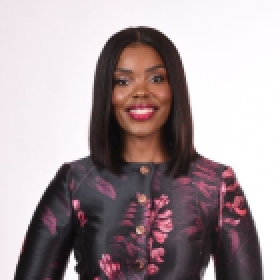
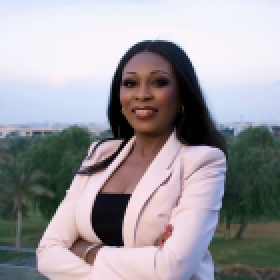
Aubri Lancaster
Sexuality Educator • Self Employed
Simi Valley, California, United States •
$251 - $1,500
About
I'm easy to work with, communicate every step of the way, and bring a dynamic and engaging presence.
Speaking Topics
Signature Programs (4)
Asexuality is a sexual orientation and identity that is growing in public awareness. With this growth comes the need for culturally competent providers who recognize and affirm Asexuality and understand the nuances of how Asexual people experience sexuality and relationships. In this session we will introduce language used by these communities to communicate their experiences, explore the research into the health and wellness of those who identify on the Asexual spectrum, and break down the ways that Compulsory Sexuality impacts how Asexual people are perceived and how they perceive themselves before highlighting resources and affirming practices to bridge these gaps in clinical support.
Intimacy has regularly been conflated with sex and romance, but this association can also obscure the deep and valuable ways that platonic intimacy can enhance our lives. In this workshop we will re-define intimacy as Closeness and Connection and examine a differentiated look at Emotional Intimacy, Intellectual Intimacy, Aesthetic Intimacy, Social Intimacy, Sensual/Affectionate Intimacy, and Spiritual/Cultural Intimacy. We will discuss how Gender and Racialization has influenced how we access various forms of intimacy and how Asexuality, Aromanticism, and Non-Monogamy are challenging social "rules" around how we connect to those around us.
In a world that centers sexual and romantic relationships above all others, to exist as an Asexual or Aromantic person is to exist outside the current framework of sexuality. In this workshop we will discuss Asexuality and Aromanticism as Orientations and as Identity terms. We'll touch on the history of these communities and explore the expansive language of differentiated attractions, microlabels, attitudes about sex and romance, Intersectional forms of oppression and erasure, and introduce a variety of resources.
Your Experience with Aubri
Your perspective matters!
What was it like engaging with Aubri?