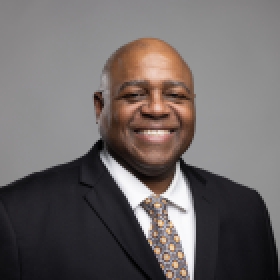
Jonathan Niemczak
President and Chair • Canadian Pride Historical Society
Canada •
$250 - $1,500
About
Bringing the history of the Pride movement in Canada to life through engaging education.
Speaking Topics
Signature Programs (6)
This presentation explores the history of the Pride movement in Canada and answers a question that still arises today: why do we still march? Using a decade-by-decade approach from the 1950s to the present, the session traces key moments in Canadian Pride history, including the Fruit Machine and Lavender Scare, decriminalization, early Pride marches, the We Demand Rally, bathhouse raids, the emergence of Dyke and Trans marches, the adoption of the Two-Spirit term, and the growth of Pride as both protest and celebration. Through historical milestones, audience engagement, and reflection, the presentation connects past struggles to present realities, emphasizing Pride as a movement rooted in resistance, community, and visibility, not just celebration.
Designed for educators and public audiences, this session uses the history of the Pride movement in Canada to explore protest as a form of democratic participation. Beginning with the origins of Pride as resistance rather than celebration, the presentation examines Canadian case studies such as Toronto’s bathhouse raids, Pride organizing in Winnipeg and Edmonton, and the evolution of community-led activism. Participants learn how Pride history illustrates core democratic concepts including civic engagement, collective action, and speaking truth to power. The session also addresses why this history matters in schools today, reframing 2SLGBTQIA+ communities not solely as subjects of discrimination, but as active agents of social change. Presented on behalf of the Canadian Pride Historical Society.
This presentation centres Indigenous perspectives within the history of the Pride movement in Canada. It explores how many Indigenous communities historically recognized diverse genders and identities, how colonization disrupted these systems, and how Indigenous people have led resurgence and reclamation within Pride movements. The session highlights the adoption of the Two-Spirit term, Indigenous-led Pride events, and the importance of teaching Pride history through a reconciliation-informed lens. Designed to support inclusive education, it equips participants with historical context and resources to better honour Indigenous leadership in Pride history.
Your Experience with Jonathan
Your perspective matters!
What was it like engaging with Jonathan?