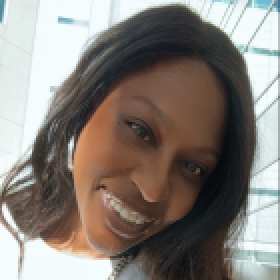
Dr Mark Williams OAM
Director • Rethinking the Brain
Australia •
$1,501 - $5,000
About
What if the biggest performance lever in your organisation isn’t your strategy, your technology, or your processes, but the three pounds of biology sitting between your people’s ears? Dr Mark is one of Australia’s most sought-after keynote speakers on the neuroscience of human performance. A former MIT researcher and professor of cognitive neuroscience with 25 years in the field, he has spent his career answering a single question: what does it actually take for human beings to perform at their best? The answer, it turns out, is not what most organisations are doing.
Speaking Topics
Signature Programs (4)
The most important asset in any organization is…the brains of your people! We offer insights and information based on decades of research on how the human brain works. Our science-based development, training, and systemic change programs provide all the facts and none of the neuromyths. In the past 20 years, there has been a dramatic increase in our understanding of the human brain, and how it functions and learns. Many of the older ideas and strategies around learning and memory are incorrect. Recent findings paint a very different picture of the human brain and its capacity for productivity, innovation, and creativity. We have the opportunity to learn and adapt our practices to incorporate many of these findings into new strategies. This course will cover many of the recent findings and discuss the new concepts and ideas around neuroscience in a relevant and practical manner.
This program can help address the many problems that smartphones and other devices are creating. Productivity, learning, resilience, curiosity, tolerance, and emotional intelligence are all declining whilst stress, anxiety, depression, and suicide are rising. Participants will learn about the evolution of modern technology and the applications that influence so much of our lives. They will also learn how our brains learn and adapt, and why modern technology can be addictive and potentially harmful. They will hear about why it is important to disconnect from their devices to improve their well-being. Most importantly, they will learn simple strategies to get back the time and motivation to connect, socialize, innovate, contribute, and live in the real world.
Our modern lifestyle and constantly evolving technology play havoc with our habits and routines. Many modern devices are designed to capture your attention and drive you to distraction. They are hacking your normal habitual behavior. This is affecting productivity, resilience, curiosity, creativity, innovation, and mental health. Habitual behavior is an adaptive mechanism that evolved to allow us to concentrate on other things. Think about all the things you do every day without concentrating on them – making coffee/tea, driving to work, showering, brushing your teeth. checking your email etc. How and why our brains can do this is fascinating, and understanding this provides simple ways you can change habits to become more productive both at home and at work.
Your Experience with Mark
Your perspective matters!
What was it like engaging with Mark?