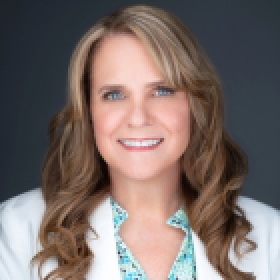
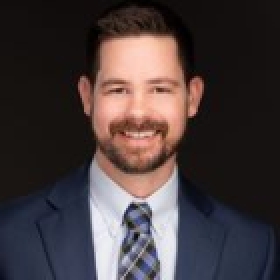
Dr. Eugene Manley
Founder and CEO • SCHEQ Foundation (STEMM & Cancer Health Equity)
New York, New York, United States •
$5,000 - $10,000
About
I combine science, lived experience, and the MISREAD Framework™ to help audiences understand why capable people get misread by systems, and what to do about it.
Speaking Topics
Signature Programs (3)
After reconstructive foot surgery, PT and staff charted that I could walk when I couldn’t and that I had no pain. Those few lines were used to deny the care I actually needed. In this talk, I use that experience to open up a bigger conversation about cancer equity, especially for Black, Hispanic, and low-income patients. I connect my story with data on lung cancer screening, biomarker testing, and treatment gaps, and share what we’ve built at SCHEQ – infographics, webinars, a portal, and a summit – to help people navigate care in plain language. We dig into what goes wrong in notes, handoffs, and consults, and how to create simple tools and habits that make it harder to ignore what patients are actually saying. This session is for organizations ready to look honestly at how documentation, communication, and everyday workflows can either reinforce or repair inequity.
Most groups can quote disparity stats. Fewer can point to a program community members would call genuinely useful. In this session, I walk through how we’ve designed lung cancer equity efforts at SCHEQ—our infographics, webinars, portal, and Lung Cancer Health Equity Summit—and what we changed based on feedback from patients, caregivers, clinicians, and partners. We dig into how to explain risk, screening, and biomarkers without losing the science, how to build with - not just for - Black and Brown communities, and how to align equity work with real-world budgets, staffing, and leadership priorities. I also share what didn’t work the first time and how we adjusted content, speakers, and outreach when communities told us the approach missed the mark. Attendees leave with a simple design framework, examples they can adapt quickly, and a clearer sense of how to turn good intentions into programs people can feel and trust. Ideal for hospitals, cancer centers, nonprofits, and health teams.
This is the talk I wish I’d heard coming up in Detroit as a first-gen, neurodivergent kid caring for my grandparents. I share the real version of my path - from engineering to a PhD in molecular and cell biology to leading a cancer and health equity foundation - and break down the many ways to work in STEMM and health, inside and outside the lab. We talk about finding mentors who are actually useful, spotting toxic environments early, and building a career that fits your life and values instead of someone else’s expectations. I also name the barriers no one likes to talk about - money, family responsibilities, imposter syndrome - and how I worked through them step by step. Students and early-career professionals leave with a view of possible paths, practical next steps to explore them, and permission to see their story as an asset, not something to hide, even in rooms where they may feel like the only one. Ideal for universities, TRIO and McNair programs, and STEMM pipeline events.
Your Experience with Eugene
Your perspective matters!
What was it like engaging with Eugene?